When we think about peace, an industrial plant, a highway, or a power grid probably aren’t the first things that come to mind. But access to services, jobs, energy, connectivity, and opportunity is also part of what allows a society to grow with greater stability. That’s why this International Day of Peace opens up a different kind of conversation: what role can infrastructure and industry play in building a future with more opportunity?
On September 21, the United Nations observes the International Day of Peace under the theme “Invest in Peace: For Everyone, Everywhere, Every Day.” The UN frames peace as more than the absence of conflict, tying it to everyday conditions like safety, dignity, opportunity, and cooperation.
What Does Infrastructure Have to Do with Peace?
More than you might think.
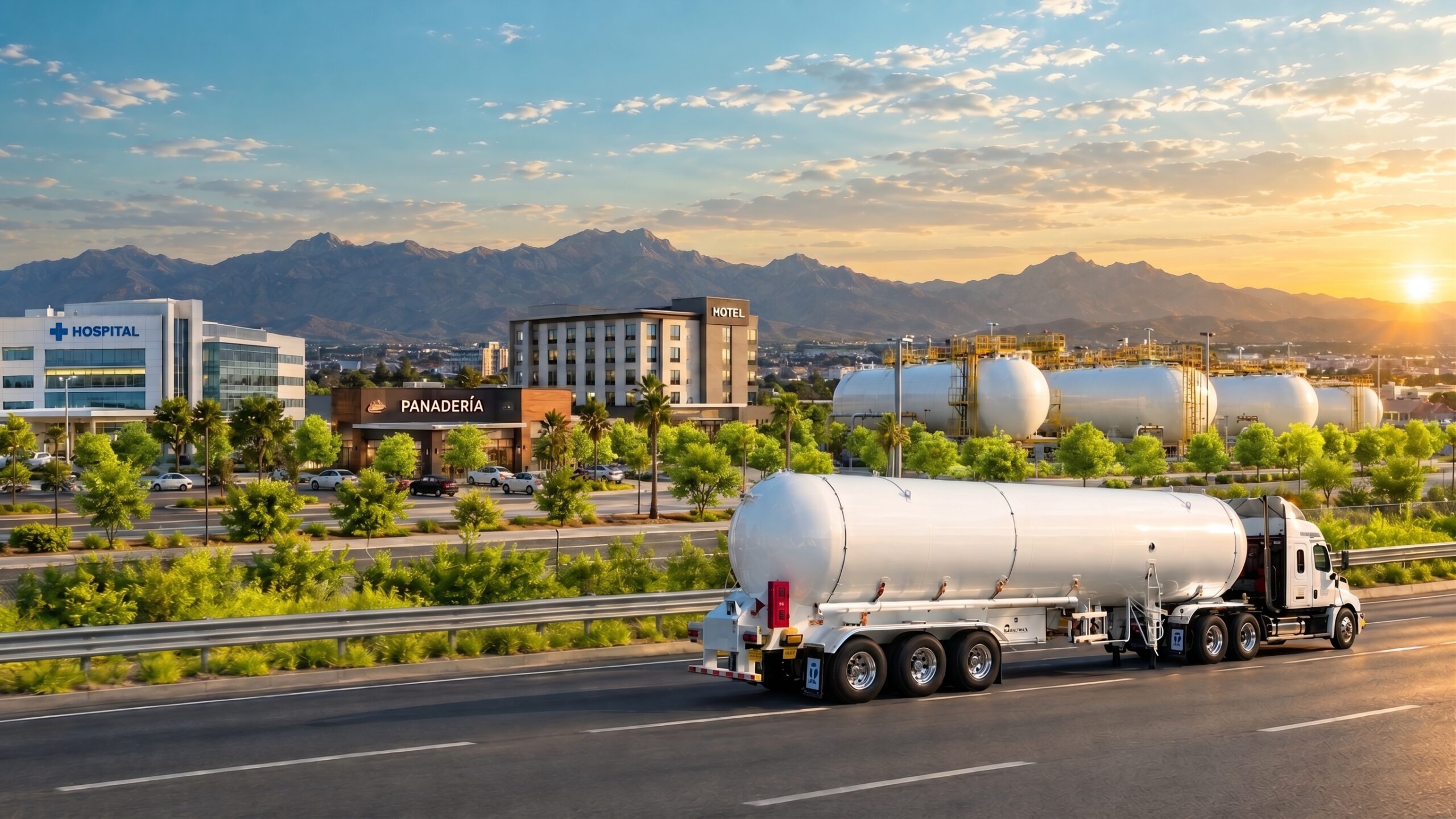
A community needs roads to stay connected, safe fuel storage for its industries and homes, and access to water, services, jobs, and economic activity. Behind many of these conditions is the infrastructure that makes it possible for people, businesses, and entire regions to grow.
This connection also ties into Sustainable Development Goal 9: Industry, Innovation and Infrastructure, which promotes building resilient infrastructure, fostering inclusive and sustainable industrialization, and driving innovation.
| Infrastructure that… | Can help… |
| Connects regions | Expand access to markets, services, and opportunities |
| Strengthens the energy supply | Support homes, services, and productive activities |
| Drives industrial activity | Create jobs and strengthen supply chains |
| Incorporates innovation | Make processes and resource use more efficient |
| Is designed with sustainability in mind | Meet today’s needs while keeping the future in view |
Building safe, sustainable infrastructure doesn’t create peace on its own, but it does lay the groundwork communities need to grow and thrive.
2026 Put Industry and Infrastructure Back on the Table
This year, there’s one more reason to talk about it.
In July, the UN High-Level Political Forum on Sustainable Development (HLPF 2026) brought together governments, businesses, civil society organizations, scientists, and other stakeholders to review progress on the 2030 Agenda.
Of the 17 Sustainable Development Goals, only five were reviewed in depth this year, and SDG 9 was one of them, along with the goals on water, energy, sustainable cities, and partnerships.
That raises an important question once again:
What kind of infrastructure do we need to build between now and 2030?
Among its targets, SDG 9 calls for developing quality, reliable, sustainable, and resilient infrastructure, as well as upgrading industries to make them more sustainable and promoting cleaner technologies and industrial processes.
So What’s Happening in Mexico?
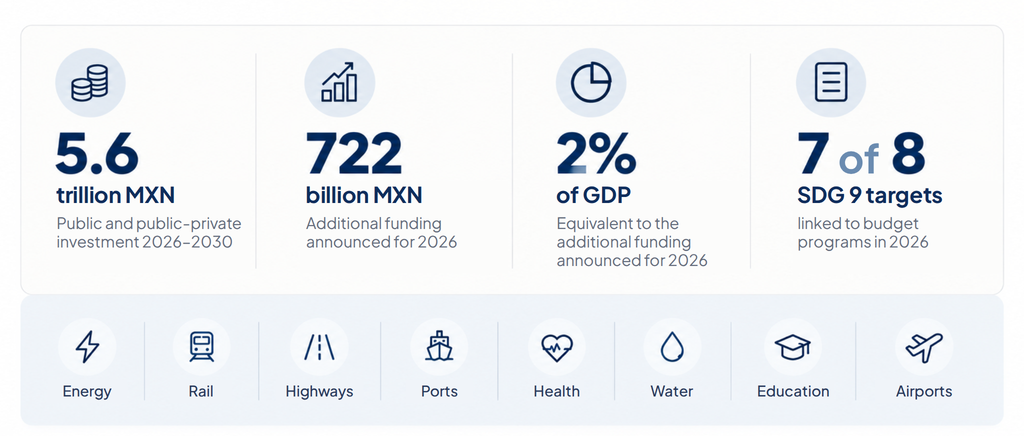
In February 2026, Mexico unveiled its Infrastructure Investment Plan for Development with Well-Being 2026–2030, which calls for 5.6 trillion pesos in public and public-private investment over that period.
The investment covers eight strategic sectors:
- Energy
- Rail
- Highways
- Ports
- Health
- Water
- Education
- Airports
For 2026 alone, the government announced an additional 722 billion pesos on top of what had already been budgeted for infrastructure in these sectors, equal to 2% of GDP.
Another interesting link to SDG 9 is that in Mexico’s 2026 Federal Expenditure Budget, 7 of the goal’s 8 targets are already funded. to develop safe infrastructure, sustainable industries, and clean technologies by 2030
Safety Builds Trust, Too
You can’t talk about infrastructure for development without talking about responsibility. In the LP gas industry, choosing the right equipment, complying with applicable standards, performing preventive maintenance, conducting inspections, and training personnel are essential to protecting people, facilities, and the surrounding environment.
Peace also grows stronger when communities have reliable services, productive activity, job opportunities, and infrastructure that meets their needs safely.
Investing in responsible energy infrastructure means investing in the growth of people and regions. Because building peace also means creating the conditions for everyone to move forward, everywhere, every day.
Between Now and 2030, Building ore Won’t Be Enough
SDG 9 reminds us that the real challenge is developing infrastructure that is resilient, innovative, and sustainable. For industry, that means making sure every project uses resources efficiently, integrates better technologies, and meets the real, long-term needs of its region.
Beyond the technical side, we need to remember that every project has a direct impact on people’s lives and on the opportunities available to their communities.
Peace Is Also Built Through What We Do Every Day
This year’s International Day of Peace theme invites us to think of peace as something we also build through everyday actions.
As an industry, our contribution is very tangible: developing infrastructure that makes it possible to produce, connect, supply, and create opportunity responsibly.
Mexico has a major infrastructure agenda ahead through 2030. The challenge will be making sure that investment doesn’t just turn into more projects, but into infrastructure that can support more sustainable and resilient development.
The link between peace and industry may not be obvious at first glance. But when infrastructure creates opportunity and helps communities and local economies grow, we’re also talking about building better conditions for the future.
At TATSA, we believe part of industry’s role is thinking long term. The infrastructure we build today is part of something bigger: it connects activities, sustains supply chains, and can open up opportunities for growth across different regions.
This International Day of Peace is a good moment to remember that building a better future also means thinking about the infrastructure we want to leave behind for the years ahead.
📩 contacto.mexico@triarccorp.com
🌐 Learn more about TATSA