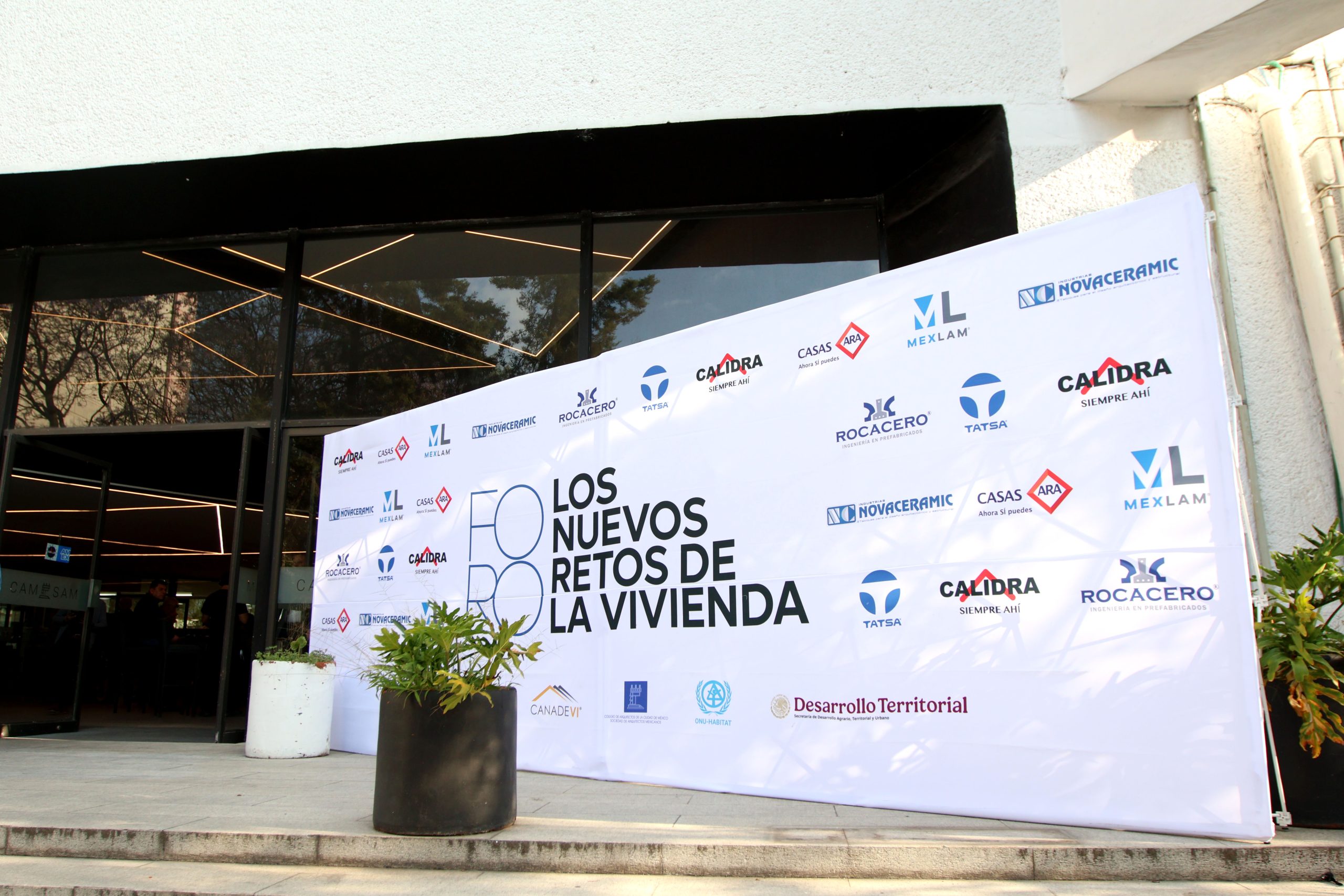
On April 15, a key space for industry dialogue took place: The New Housing Challenges Forum, an event that brought together strategic partners and companies actively contributing their products and solutions to new housing projects nationwide.
The event, organized by Centro Urbano in collaboration with Canadevi, Sedatu, UN-Habitat, and CAM-SAM, brought together some of the key players directly shaping the evolution of the housing sector.
As part of the event, several brands participated jointly, contributing key solutions for residential development, including TATSA, Novaceramic, Calidra, Rocacero, Mexlam, and Casas ARA, reflecting the importance of integrating different specialties within the housing value chain.
Quality and execution: the technical challenge of housing.
One of the main conclusions was that the sector faces a clear challenge: there is a need for more housing, but also for better development practices.
During the panel Technical Criteria in Housing Design and Construction, specialists agreed that quality begins at the foundation level. Continuous updates in materials, standards, and certifications are essential to ensure structural safety, while proper on-site execution remains a critical factor in achieving the expected performance of each project.
In this same context, the importance of materials in housing policy was addressed, highlighting that the quality of materials and construction processes has a direct impact on durability, efficiency, and safety. Innovation in materials is relevant, but proper execution is what ultimately defines the results.

Access, regulation, and the future of the sector.
The conversation also evolved toward a more user-centered approach and the real conditions of the market.
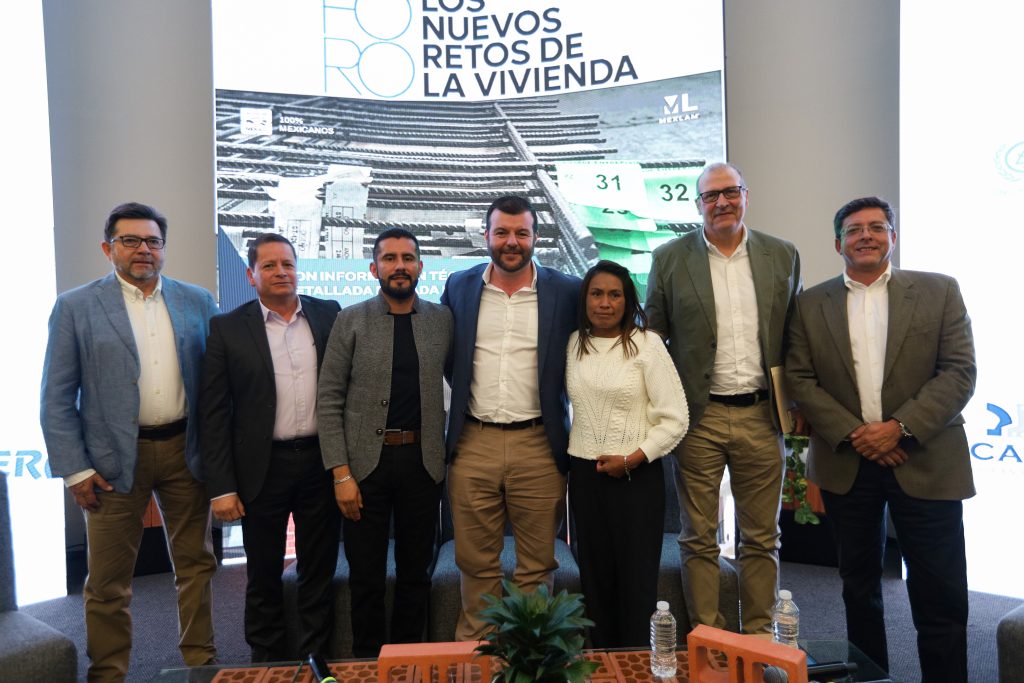
In the panel Civil Society and Emerging Housing Demands, it was highlighted that the challenge is no longer just to build more housing, but to better understand who it is being built for. In this context, Circe Díaz Duarte pointed out that Mexico is at a turning point following the constitutional recognition of adequate housing, which implies considering not only the home itself, but also its environment, services, and overall living conditions.
Key industry leaders such as Jorge Gordon, Rodolfo Alejandro Díaz Covarrubias, and Fernanda Lonardi joined the discussion, agreeing on the need to align public policy with urban development in order to reduce the housing gap.
From a market perspective, the panel Feasibility and Real Market Challenges addressed one of the main obstacles: permitting and regulatory processes. Lengthy and complex procedures directly impact project feasibility, causing delays and affecting investment.
Finally, in the discussion on The Role of Public Policy in Reducing the Housing Deficit, the need for a comprehensive strategy was reinforced—one that involves government, the private sector, and financial stakeholders, including new access models such as rental schemes and more flexible financing.
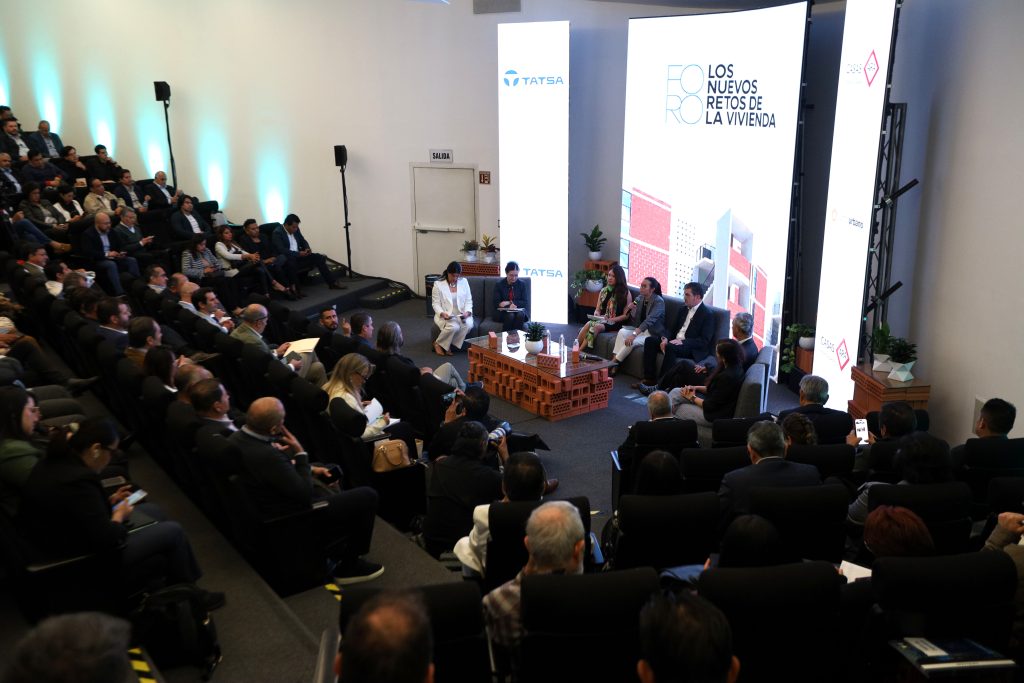
At the close of the forum, Horacio Urbano presented the conclusions and the Housing Decalogue, a guide that brings together the key principles to be considered in the development of new housing projects.
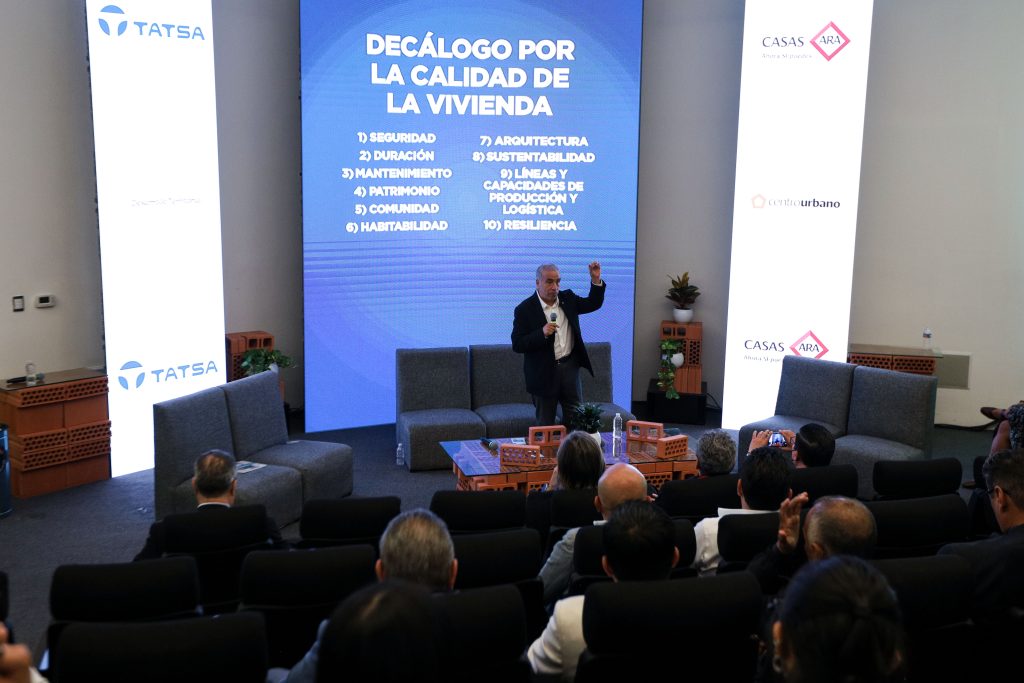
This context highlights a clear takeaway for the industry: the challenge is not only to build more, but to build better—using the right materials, efficient processes, and execution aligned with quality standards.
For companies like TATSA, specialized in infrastructure and storage solutions, this represents a direct opportunity to continue adding value to projects where safety, efficiency, and durability are key factors within residential development.
Because ultimately, the quality of housing is not defined solely by design, but by every technical decision made before, during, and after construction.
For more information about housing projects, contact us at contacto.mexico@triarccorp.com